We often do hear Indians and Muhajirs chanting that Indians and Pakistanis are the same people and there's absolutely no difference between the two.
Some go as far to say that the people of the subcontinent are all "exactly the same" divided by political boundaries.
People who normally chant this draw out ignorant statements or try to convince everyone by chanting the same statement over and over again to the point that people stop questioning it.
I want to touch on the most common arguments that have been made in favor of this idea.
Appearance:
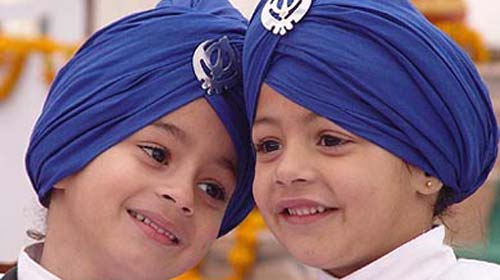
This argument is that Indians and Pakistanis are often mistaken for the same by outsiders and that's "proof" of their supposed "common origin." But then again Pakistanis are often lumped up with Arabs and other Middle Eastern peoples. When I moved to North America, people took me for an Arab. Does that make me an Arab? Does it mean Pakistanis have common origins with Arabs?
The same can be stated for Indians. What's more is only a small minority of people living in Northwestern India resemble Pakistanis when it comes to appearance. Other Indians sometimes look like exact opposites of Northern Pakistanis in terms of appearance. Northern Pakistanis are often tall, of fair complexion resembling Europeans while people from other parts of India often show East Asian or Australoid features with dark skin.
Also, there are "Indians" who are actually people who migrated from Pakistan during independence in 1947 and share common genetics, culture, linguistics with the rest of Pakistan, not with their adopted country.
Demographics:
Another common argument is that due to the shared provinces of Punjab and Kashmir, the two populations are "the same."
One problem is that Kashmir is not recognized as an "Indian state" by Pakistan or the United Nations. It is currently disputed territory and often seen as the fifth province of Pakistan. Only India sees Kashmir as an Indian state.
Neither do the people belong to the common North Indian haplogroup of R2 and it's possible subclades.
In fact Kashmiris are amongst the highest carriers of R1A in Asia, lumping them closer to Eastern European populations than Indian ones.
The other problem is that it is only Punjab that is split between India and Pakistan. The other provinces and populations are not shared by India and Pakistan. Even the populations in these unshared provinces between the two countries are completely distinct.
The major ethnic groups Balochis, Pakhtuns, Sindhis, Kashmiris and other populations of Pakistan are completely different from Indian populations and are not found in India except for some who migrated.
Pakistan also shares some of these mentioned ethnicities with Iran and Afghanistan, yet few have argued in favor of lumping Iran or Afghanistan with Pakistan.
Likewise the many dozens of ethnic groups from Tamils, Bengalis, Rajesthanis, Orissans, Telagu, Kannadas and many others are not found in Pakistan.
Even the various populations of India have little in common with one another.
India itself is so diverse that even the existence of a single "Indian" culture, language or people is not there. India can be compared to the former USSR, while Pakistan can be better compared to Yugoslavia or Switzerland, a home of various distinct, but related cultures and peoples.
Linguistics:
Some shared languages between the two countries especially Hindustani (mostly today called Hindi and Urdu) which is the lingua franca of the subcontinent is used as a basis to argue the "oneness" of Indians and Pakistanis.
Many countries share common languages for various reasons. The Hindustani language developed due to Mughal rulers of the subcontinent who were neither Indian nor Pakistani by origin.
Other shared languages such as Sindhi are due to migration between the two countries.
English is another language often used as a language of business in the two countries and also a legacy of British rule. Does this make the two peoples "one?"
Iran and Iraq have shared languages and demographics of Kurdish, Arab and Turkic populations. No one bothers to term them "one."
Most languages spoken in India are not spoken or understood in Pakistan and vice versa. Most of Pakistan's languages except for Brahui, Burusho and Baltistani are of Indo-European origins.
India's languages on the other hand are around seventy percent Indo-European and the other thirty percent being Dravidian, Sino-Tibetan, Austro-Asiatic and some other language isolates.
Genetics:
This is probably the strongest argument debunking Pan-South Asian propaganda. Most often, cheerleaders of Indo-Pakistani 'commonality' do not wish to back up their claims with evidence and will rely only on repeating their statements to win agreement.
If one is to search the distributions of haplogroups in the two countries, there is little in common. Even the common Indo-European haplogroup R found in Pakistanis and Northwestern Indians breaks into haplogroup R1A and R2 (sometimes also refereed to as R1B2).
This places Pakistani populations; especially Northern Pakistanis into closer genetic lineages with Eastern European populations than to Indian ones.
Also knowing the fair appearance of Northern Pakistanis and their Indo-European languages, this should hardly be surprising. But even still, it does not make them "the same" as East Europeans, because comparing the two in the 21st century based on ancient links is absurd.
So if they cannot be compared to those people, why would the diverse Indians, most of which are not related be compared to them?
It is also not just the differing distributions of haplogroup R but also various other haplogroups common to India but not to Pakistan. Most Indian haplogroups are not even found in Pakistan.
The haplogroup maps below give us a brief insight: (click to enlarge)
.jpg)
.jpg)

Though the videos below are not exactly accurate in genetics and wrongly calls Indo-Iranic "Indo-Iranian" as well as using the pseudo-anthropological word "desi" and also incorrectly referring to India as "Hindustan," they are still mostly factual and detailed otherwise:
Some go as far to say that the people of the subcontinent are all "exactly the same" divided by political boundaries.
People who normally chant this draw out ignorant statements or try to convince everyone by chanting the same statement over and over again to the point that people stop questioning it.
I want to touch on the most common arguments that have been made in favor of this idea.
Appearance:
This argument is that Indians and Pakistanis are often mistaken for the same by outsiders and that's "proof" of their supposed "common origin." But then again Pakistanis are often lumped up with Arabs and other Middle Eastern peoples. When I moved to North America, people took me for an Arab. Does that make me an Arab? Does it mean Pakistanis have common origins with Arabs?
The same can be stated for Indians. What's more is only a small minority of people living in Northwestern India resemble Pakistanis when it comes to appearance. Other Indians sometimes look like exact opposites of Northern Pakistanis in terms of appearance. Northern Pakistanis are often tall, of fair complexion resembling Europeans while people from other parts of India often show East Asian or Australoid features with dark skin.
Also, there are "Indians" who are actually people who migrated from Pakistan during independence in 1947 and share common genetics, culture, linguistics with the rest of Pakistan, not with their adopted country.
Demographics:
Another common argument is that due to the shared provinces of Punjab and Kashmir, the two populations are "the same."
One problem is that Kashmir is not recognized as an "Indian state" by Pakistan or the United Nations. It is currently disputed territory and often seen as the fifth province of Pakistan. Only India sees Kashmir as an Indian state.
Neither do the people belong to the common North Indian haplogroup of R2 and it's possible subclades.
In fact Kashmiris are amongst the highest carriers of R1A in Asia, lumping them closer to Eastern European populations than Indian ones.
The other problem is that it is only Punjab that is split between India and Pakistan. The other provinces and populations are not shared by India and Pakistan. Even the populations in these unshared provinces between the two countries are completely distinct.
The major ethnic groups Balochis, Pakhtuns, Sindhis, Kashmiris and other populations of Pakistan are completely different from Indian populations and are not found in India except for some who migrated.
Pakistan also shares some of these mentioned ethnicities with Iran and Afghanistan, yet few have argued in favor of lumping Iran or Afghanistan with Pakistan.
Likewise the many dozens of ethnic groups from Tamils, Bengalis, Rajesthanis, Orissans, Telagu, Kannadas and many others are not found in Pakistan.
Even the various populations of India have little in common with one another.
India itself is so diverse that even the existence of a single "Indian" culture, language or people is not there. India can be compared to the former USSR, while Pakistan can be better compared to Yugoslavia or Switzerland, a home of various distinct, but related cultures and peoples.
Linguistics:
Some shared languages between the two countries especially Hindustani (mostly today called Hindi and Urdu) which is the lingua franca of the subcontinent is used as a basis to argue the "oneness" of Indians and Pakistanis.
Many countries share common languages for various reasons. The Hindustani language developed due to Mughal rulers of the subcontinent who were neither Indian nor Pakistani by origin.
Other shared languages such as Sindhi are due to migration between the two countries.
English is another language often used as a language of business in the two countries and also a legacy of British rule. Does this make the two peoples "one?"
Iran and Iraq have shared languages and demographics of Kurdish, Arab and Turkic populations. No one bothers to term them "one."
Most languages spoken in India are not spoken or understood in Pakistan and vice versa. Most of Pakistan's languages except for Brahui, Burusho and Baltistani are of Indo-European origins.
India's languages on the other hand are around seventy percent Indo-European and the other thirty percent being Dravidian, Sino-Tibetan, Austro-Asiatic and some other language isolates.
Genetics:
This is probably the strongest argument debunking Pan-South Asian propaganda. Most often, cheerleaders of Indo-Pakistani 'commonality' do not wish to back up their claims with evidence and will rely only on repeating their statements to win agreement.
If one is to search the distributions of haplogroups in the two countries, there is little in common. Even the common Indo-European haplogroup R found in Pakistanis and Northwestern Indians breaks into haplogroup R1A and R2 (sometimes also refereed to as R1B2).
This places Pakistani populations; especially Northern Pakistanis into closer genetic lineages with Eastern European populations than to Indian ones.
Also knowing the fair appearance of Northern Pakistanis and their Indo-European languages, this should hardly be surprising. But even still, it does not make them "the same" as East Europeans, because comparing the two in the 21st century based on ancient links is absurd.
So if they cannot be compared to those people, why would the diverse Indians, most of which are not related be compared to them?
It is also not just the differing distributions of haplogroup R but also various other haplogroups common to India but not to Pakistan. Most Indian haplogroups are not even found in Pakistan.
The haplogroup maps below give us a brief insight: (click to enlarge)
.jpg)
.jpg)

Though the videos below are not exactly accurate in genetics and wrongly calls Indo-Iranic "Indo-Iranian" as well as using the pseudo-anthropological word "desi" and also incorrectly referring to India as "Hindustan," they are still mostly factual and detailed otherwise: